Table of Contents
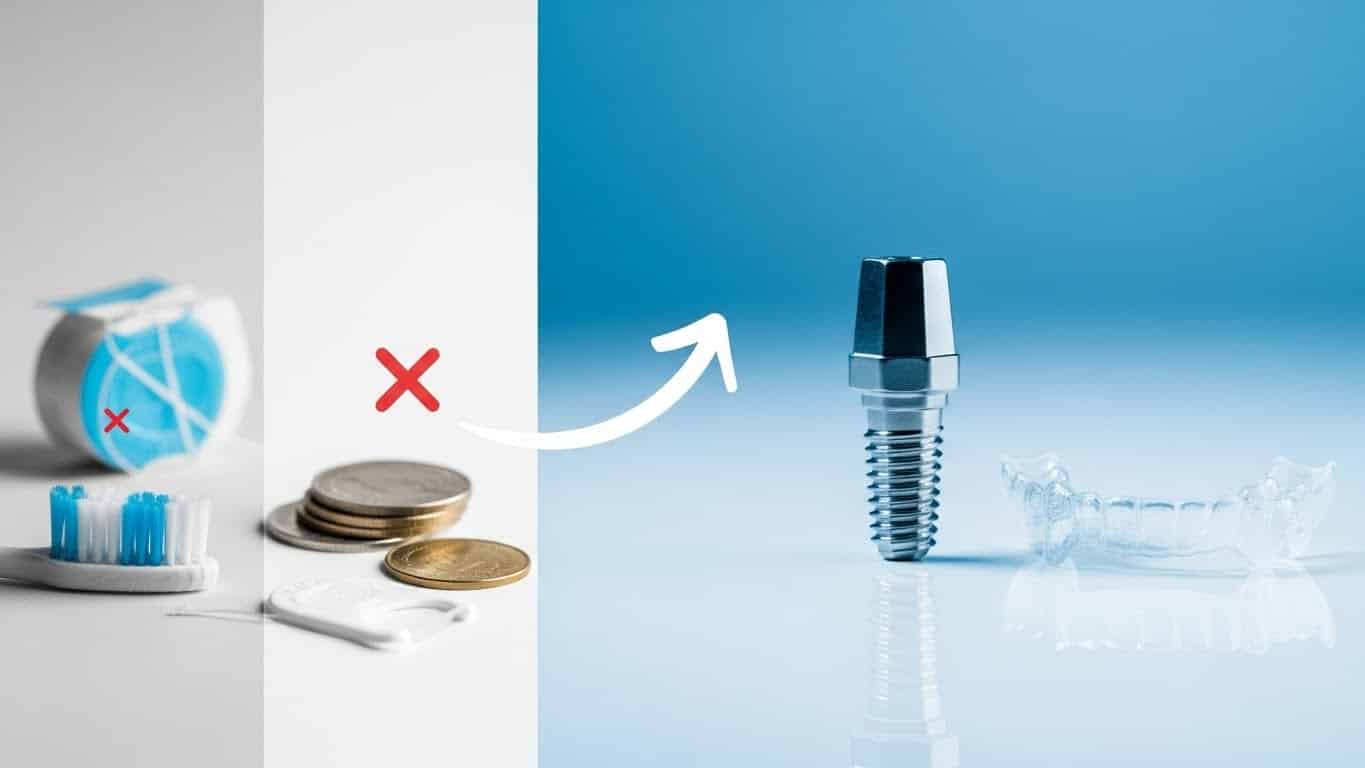
The dental industry is at a crossroads. While routine cleanings have long been the bread and butter of patient acquisition, savvy practices are discovering that marketing low-margin procedures is no longer a sustainable growth strategy. The most successful dental practices in 2025 are shifting their focus toward high-value procedures like dental implants and Invisalign, implementing sophisticated dental implant marketing strategies that attract patients willing to invest in transformative treatments. This pivot isn't just about increasing revenue per patient—it's about building a practice that thrives on delivering life-changing results while maximizing profitability and chair time efficiency.
The Economics Behind the Shift
The financial disparity between routine cleanings and high-value procedures is staggering. A standard cleaning generates approximately $100-200 in revenue with minimal opportunity for upselling. Compare this to dental implants, which can bring $3,000-6,000 per procedure, or Invisalign cases averaging $5,000-8,000 with profit margins exceeding $3,800 per case.
Approximately 178 million Americans are missing at least one tooth, and about 40 million are completely edentulous, creating an enormous market opportunity for practices that position themselves as implant specialists. Meanwhile, Invisalign-focused practices can achieve daily production goals of $6,900 or more, compared to the standard $4,600 per day for general dentistry. The math is undeniable: high-value procedures deliver substantially better returns on marketing investment, require less patient volume to achieve revenue goals, and create higher patient lifetime value (LTV) averaging $5,500-7,500 compared to $4,200 for standard patients.
Why Traditional Cleaning-Focused Marketing Is Losing Ground

Marketing dental cleanings attracts price-sensitive patients who often view dental care as a commodity rather than an investment in their health and appearance. These patients typically shop for the lowest price, demonstrate lower loyalty to a single practice, and are less likely to accept treatment plans for higher-value procedures. The commoditization of cleanings has created a race to the bottom, with practices competing on discounts and promotional pricing that erodes profitability.
Additionally, cleaning-focused marketing attracts patients with lower purchasing power and decision-making authority, making it difficult to convert them to restorative or cosmetic treatments. The patient acquisition cost for cleaning patients often exceeds their lifetime value when they only return for biannual maintenance. This creates a volume-dependent business model that requires constantly filling the appointment book with low-margin procedures to maintain cash flow.
Building a Foundation: Essential Dental Implant Marketing Strategies
Local SEO Dominance for Implant Searches
The foundation of successful dental implant marketing strategies begins with dominating local search results. When prospective patients search for "dental implants near me" or "replace missing teeth," your practice must appear in the top positions. This requires optimizing your Google Business Profile with implant-specific content, accumulating patient reviews that mention dental implants specifically, and creating location-based landing pages for each service area you target.
Your website must incorporate relevant keywords such as "dental implants," "best dental implants," and "dental implant services" throughout your content architecture. Structured data markup helps search engines understand your implant offerings and display them prominently in search results. Local citations across dental directories and healthcare platforms reinforce your authority in implant dentistry.
Content Marketing That Educates and Converts
Educational content serves as the bridge between awareness and conversion in implant marketing. Prospective implant patients are conducting extensive research before making decisions about expensive procedures, consuming an average of 10-15 pieces of content before booking consultations. Your content strategy should address every stage of the patient journey.
Create comprehensive blog posts about dental implant benefits, the implant procedure timeline, implant costs and financing options, and comparisons between implants and alternatives like bridges or dentures. Video content performs exceptionally well for implant marketing, with before-and-after transformation videos, patient testimonial interviews, and procedure explanation videos building trust and demonstrating expertise. Case studies showcasing complex implant cases establish your practice as a destination for advanced implant dentistry.
Targeted Paid Advertising for High-Intent Patients
While organic strategies build long-term visibility, paid advertising delivers immediate results by capturing high-intent searchers at decision-making moments. Google Ads campaigns targeting keywords like "dental implants near me," "cost of dental implants," and "missing teeth replacement" connect with motivated prospects actively seeking solutions.
Demographic targeting focuses advertising spend on audiences most likely to require implants: adults 45 and older, individuals with household incomes above $75,000, and people interested in health and wellness topics. Facebook and Instagram ads excel at education and retargeting, nurturing leads who need more information before committing to consultation appointments. Retargeting campaigns follow website visitors who viewed implant content but didn't book appointments, keeping your practice top-of-mind during their decision-making process.
Invisalign Marketing: The High-Margin Complement
Invisalign represents another extraordinary opportunity for practices pivoting away from commodity services. With approximately $3,800 profit per case and a 316% ROI on material costs, Invisalign delivers exceptional profitability. The procedure efficiency advantages are equally compelling, with routine Invisalign visits taking just 9.9 minutes compared to 13.6 minutes for traditional braces, and each case requiring 2.6 fewer visits and 86 fewer chair minutes.
Successful Invisalign marketing strategies mirror many implant approaches but emphasize aesthetic transformation and lifestyle benefits. Social media platforms are particularly effective for Invisalign marketing, with before-and-after photos and patient testimonial videos resonating strongly with adults seeking discreet orthodontic solutions. Creating time-sensitive promotional offers advertised through targeted social media campaigns effectively attracts new patients exploring clear aligner treatments.
Virtual consultations remove barriers for potential Invisalign patients who may hesitate to visit the practice for initial assessments. These digital touchpoints create positive first impressions and educate patients about treatment options in low-pressure environments. Practices should scan every hygiene patient with intraoral scanners to identify Invisalign candidates within their existing patient base, as this internal marketing often produces the highest conversion rates.mysocialpractice+2
Creating Marketing Messages That Speak to Value
Marketing high-value dental procedures requires fundamentally different messaging than promoting cleanings. Your marketing must appeal to emotions and aspirations rather than just functional benefits. Effective implant marketing emphasizes restored confidence and quality of life, the ability to eat favorite foods without limitations, the permanence and durability of implants versus temporary solutions, and the investment in long-term oral health.
Visual presentation matters enormously when marketing expensive dentistry. Your website and marketing materials should look expensive and premium, reflecting the quality of care you provide. Display a smile gallery featuring full-face photographs with sufficient detail for close examination, demonstrating the aesthetic results patients can expect. Professional photography and videography signal expertise and attention to detail that justify premium pricing.
Optimizing Landing Pages for Conversion
Directing paid advertising traffic to generic homepage layouts wastes advertising budgets. Conversion-optimized landing pages tailored to specific procedures dramatically improve campaign performance. Effective implant landing pages include compelling headlines that address patient pain points, clear explanations of the implant process and timeline, transparent pricing information or financing options, prominent calls-to-action for consultation bookings, social proof through patient testimonials and reviews, and trust signals like credentials, memberships, and technology.
Remove navigation menus and external links from landing pages to minimize distractions and keep visitors focused on conversion goals. Use heat mapping and A/B testing to continuously optimize page elements and improve conversion rates. Even modest improvements in landing page conversion rates significantly impact overall campaign ROI.
Leveraging Patient Referrals and Reviews
Personal recommendations remain among the most powerful marketing tools for high-value dental procedures. Satisfied implant and Invisalign patients become enthusiastic advocates when their lives have been transformed by treatment. Implement structured referral programs offering incentives such as discounts on future services, complimentary teeth whitening, or dental care product packages.
Online reviews specifically mentioning dental implants or Invisalign strengthen local SEO performance and provide social proof to prospective patients. Make review requests part of your post-treatment follow-up process, asking patients to share their experiences at peak satisfaction moments. Respond professionally to all reviews, demonstrating your commitment to patient care and engagement.
Email Marketing for Nurturing and Retention
Email marketing remains highly effective for both converting leads and maximizing patient lifetime value. Segment your email database to deliver relevant content to different audience groups: existing patients who may be implant or Invisalign candidates, consultation leads who haven't scheduled appointments, and post-treatment patients for retention and referral encouragement.
Create email sequences that educate prospects about implant benefits and options, address common concerns about cost and procedure details, showcase patient success stories and testimonials, and provide limited-time financing offers or promotional incentives. Automated email nurture campaigns can move prospects through decision-making processes without requiring constant manual effort.
Community Engagement and Professional Partnerships
Establishing your practice as the local expert in implant and cosmetic dentistry extends beyond digital marketing. Participate in community health fairs, seminars, and educational events where you can offer free consultations and distribute informational materials. Speaking engagements at community organizations position you as a trusted authority.
Building referral relationships with general dentists who don't offer implants creates a steady stream of qualified patient referrals. Orthodontists, periodontists, and oral surgeons can become valuable referral partners in comprehensive treatment planning. Professional networking events and study clubs facilitate these relationship-building opportunities.
Measuring Success and Optimizing Campaigns
Successful dental implant marketing strategies require continuous monitoring and optimization. Track key performance indicators including cost per lead for implant consultations, consultation booking rate from website traffic, consultation to treatment conversion rate, average revenue per implant patient, and return on ad spend (ROAS) for paid campaigns.
Use these metrics to identify which marketing channels and messages deliver the best results, then reallocate budgets accordingly. Patient tracking software connecting marketing sources to treatment acceptance and revenue provides visibility into true campaign profitability. Most practices discover that high-value procedure marketing delivers substantially better ROI than cleaning-focused campaigns, often achieving 5-10x returns.
Implementation Strategy: Making the Transition
Pivoting from cleaning-focused to high-value procedure marketing doesn't happen overnight. Begin by auditing your current patient base to identify existing patients who are candidates for implants or Invisalign. These warm leads typically convert at higher rates and lower costs than completely new patient acquisition.
Invest in the clinical training and technology necessary to deliver exceptional implant and Invisalign results. Your marketing promises must be backed by clinical excellence and consistent outcomes. Consider partnering with specialists initially if you're building implant capabilities, gradually expanding your scope as experience grows.
Reallocate marketing budgets progressively from general dental advertising to procedure-specific campaigns. Start with modest paid advertising budgets focused on implants and Invisalign, measuring results carefully before scaling investment. Many practices achieve positive ROI within the first month of targeted high-value procedure campaigns.
The Future of Profitable Dental Practice
The dental practices thriving in 2025 and beyond will be those that recognize the strategic imperative of marketing high-value procedures. While cleanings remain important for patient retention and oral health maintenance, building marketing strategies around commodity services creates unsustainable business models with compressed margins and constant volume pressure.
Dental implants and Invisalign represent not just profitable procedures but opportunities to deliver genuinely transformative patient care. When marketing focuses on these life-changing treatments, it attracts patients seeking excellence rather than discounts. These relationships built on value and results create loyal patient bases, strong referral networks, and practices positioned for long-term growth and profitability.
The question facing every dental practice owner and marketing manager is not whether to make this transition, but how quickly to execute it. The competitive landscape increasingly favors practices that master dental implant marketing strategies and position themselves as destinations for advanced dental care. Those who continue marketing primarily for cleanings will find themselves competing in an overcrowded, low-margin segment while more strategic competitors capture the high-value patients that determine practice success.